
Masterful Transparencies
Here, glass becomes light and form — and sometimes, it is reborn, as if following its true nature.
With patient hands we cut, paint, and shape each detail, weaving tradition into every creation. From glowing stained glass to luminous chandeliers, from elegant mirrors to sculpted basins, every piece is a one-of-a-kind treasure, imagined for the home, for life’s special moments, or as a gift that speaks from the heart.
Crafting Techniques
Glass Fusing
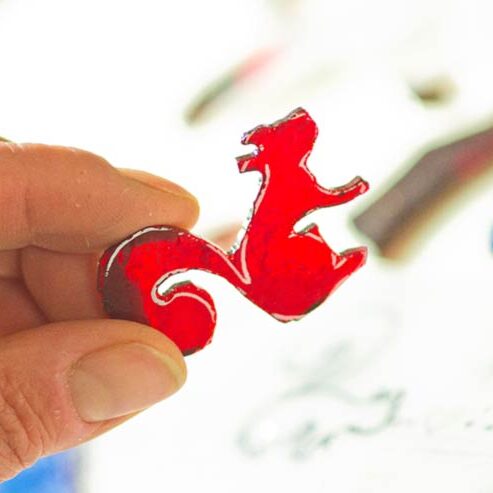
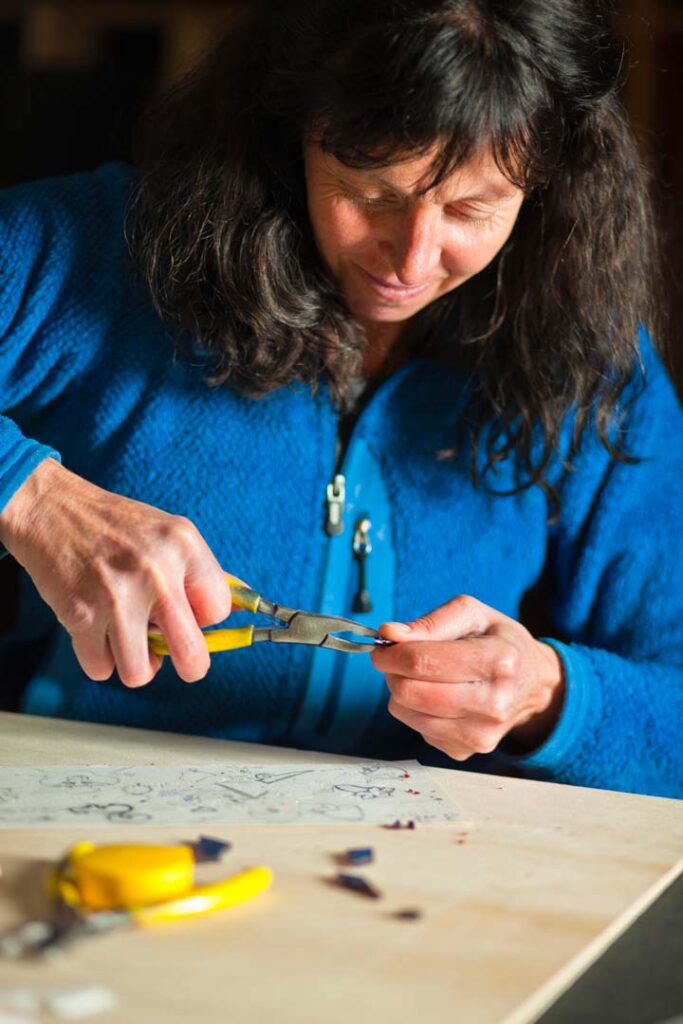
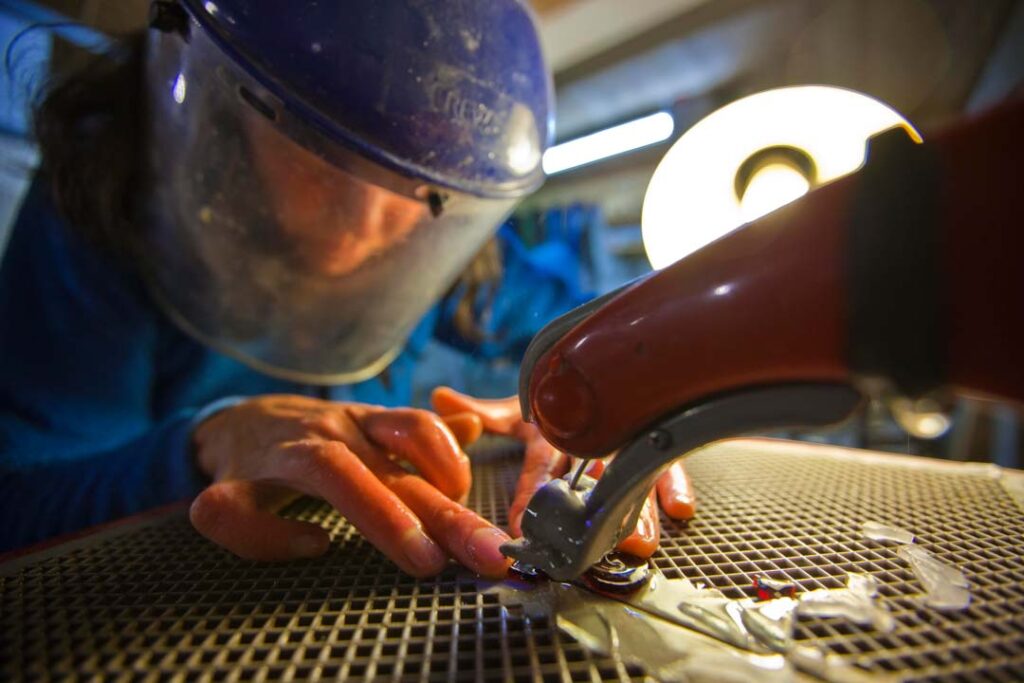
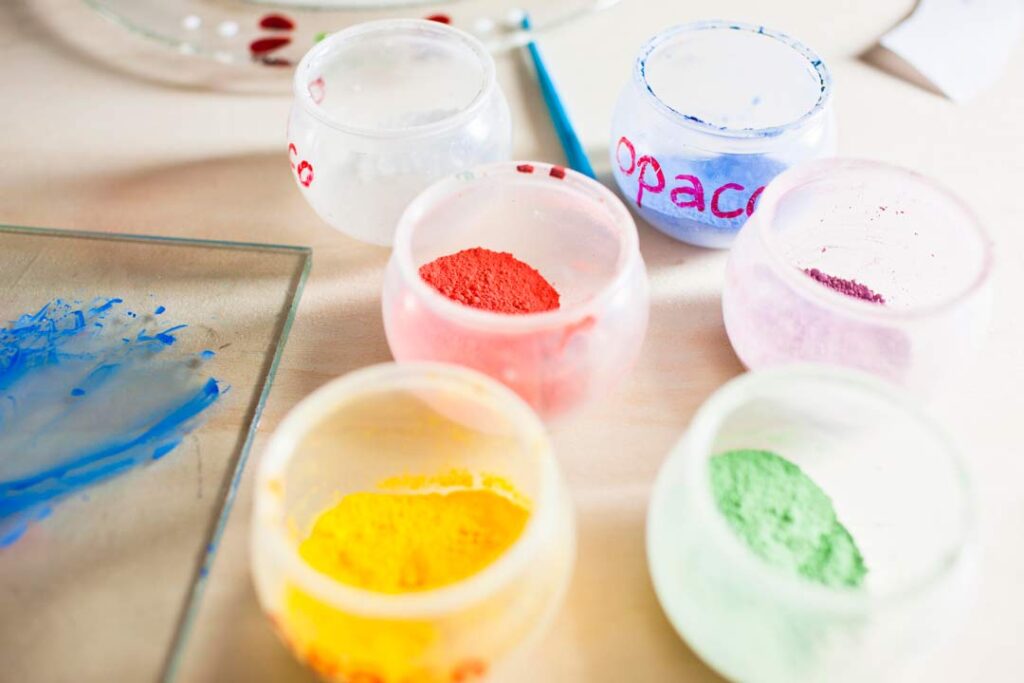
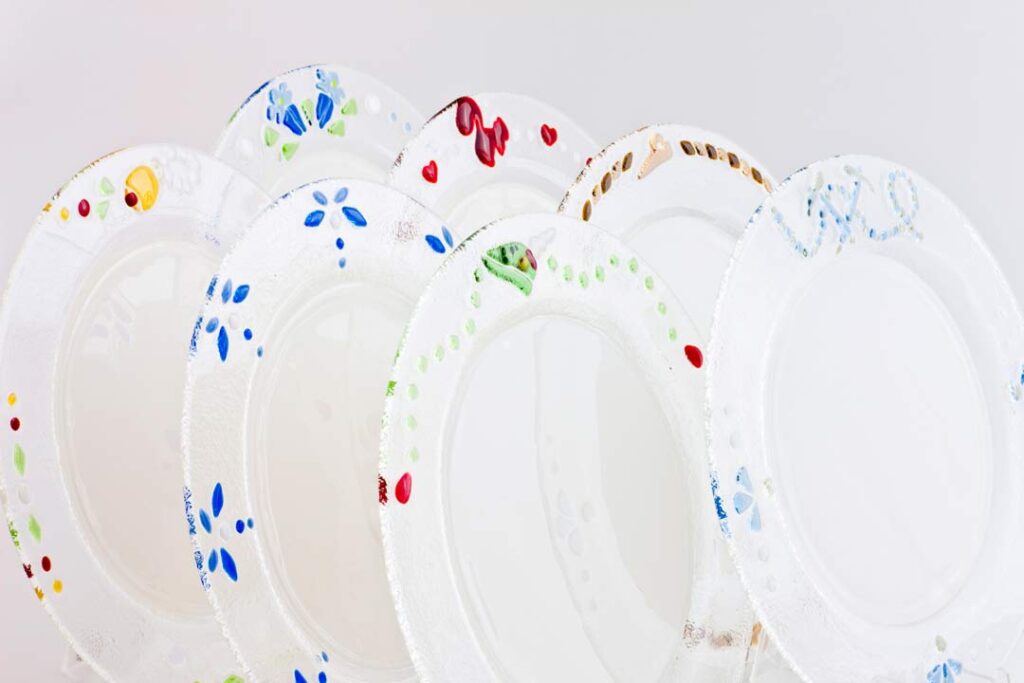
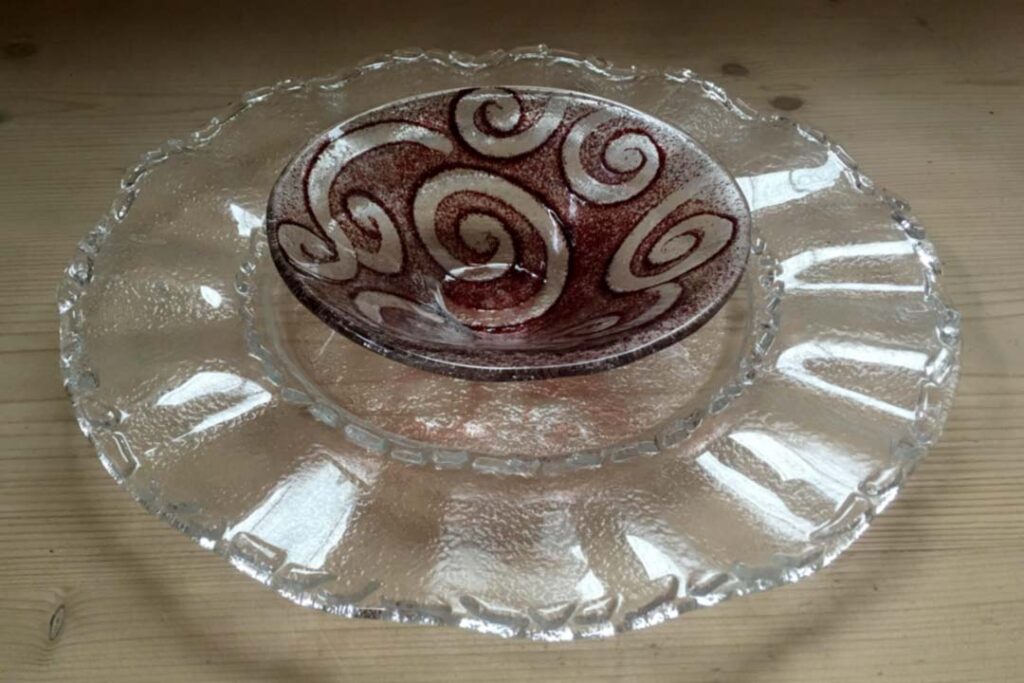
The artisan cuts and breaks sheets and pieces of glass, arranging them and subjecting them to progressive firings in special kilns. The material melts, fuses together, and is then annealed for stability. In a second stage, the glass can be slumped over molds to create flat or curved forms. The result is unmistakable creations, with soft shapes and intense or translucent colors, born from the careful choice of thicknesses, shades, and firing times. With this technique we craft washbasins, plates and trays, decorative panels, furnishing inserts, and small customized objects.
GLASS FUSING
The artisan cuts and breaks sheets and pieces of glass, arranging them and subjecting them to progressive firings in special kilns. The material melts, fuses together, and is then annealed for stability. In a second stage, the glass can be slumped over molds to create flat or curved forms. The result is unmistakable creations, with soft shapes and intense or translucent colors, born from the careful choice of thicknesses, shades, and firing times. With this technique we craft washbasins, plates and trays, decorative panels, furnishing inserts, and small customized objects.
LEAD CAME
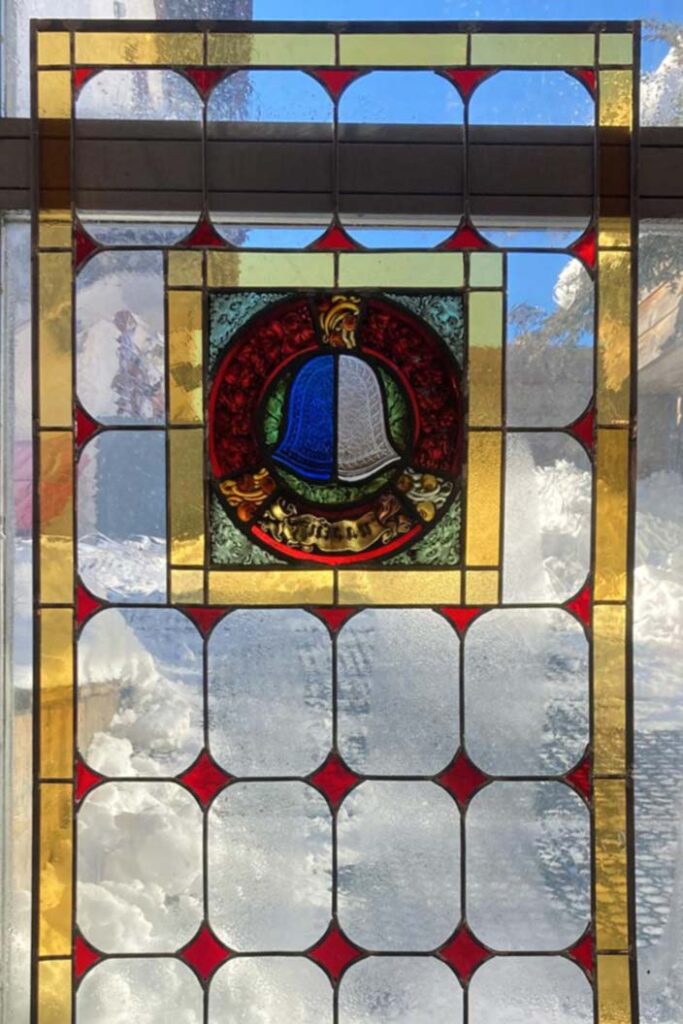
Lead came is the classic technique of medieval stained glass: cut glass pieces, shaped to a design, are fitted into H-shaped profiles, then soldered with tin; putty and reinforcements strengthen and seal the work. It is the process that illuminated churches and cathedrals with multicolored compositions.
Today, it is applied to windows, partition glass, doors, lamps, and small panels. Lead is soft and carries a traditional character; brass is more rigid and luminous, ideal for fine lines. Both enrich interiors with a timeless elegance.
Lead Came
Lead came is the classic technique of medieval stained glass: cut glass pieces, shaped to a design, are fitted into H-shaped profiles, then soldered with tin; putty and reinforcements strengthen and seal the work. It is the process that illuminated churches and cathedrals with multicolored compositions.
Today, it is applied to windows, partition glass, doors, lamps, and small panels. Lead is soft and carries a traditional character; brass is more rigid and luminous, ideal for fine lines. Both enrich interiors with a timeless elegance.
Creations
Furniture
-
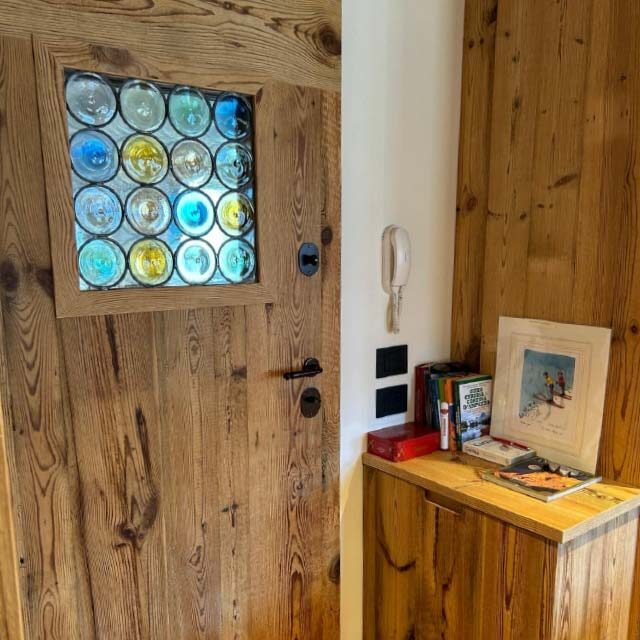
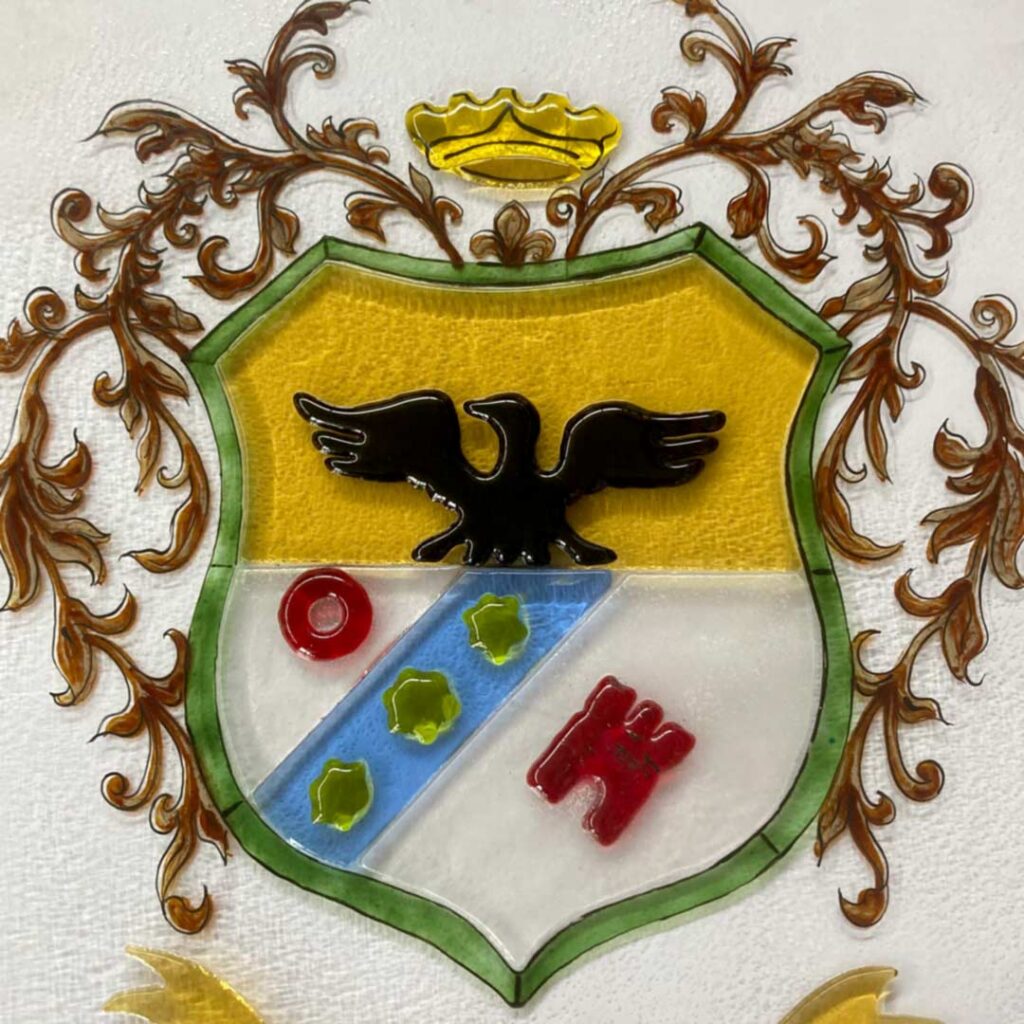
Artistic stained glass for doors and partitions
-
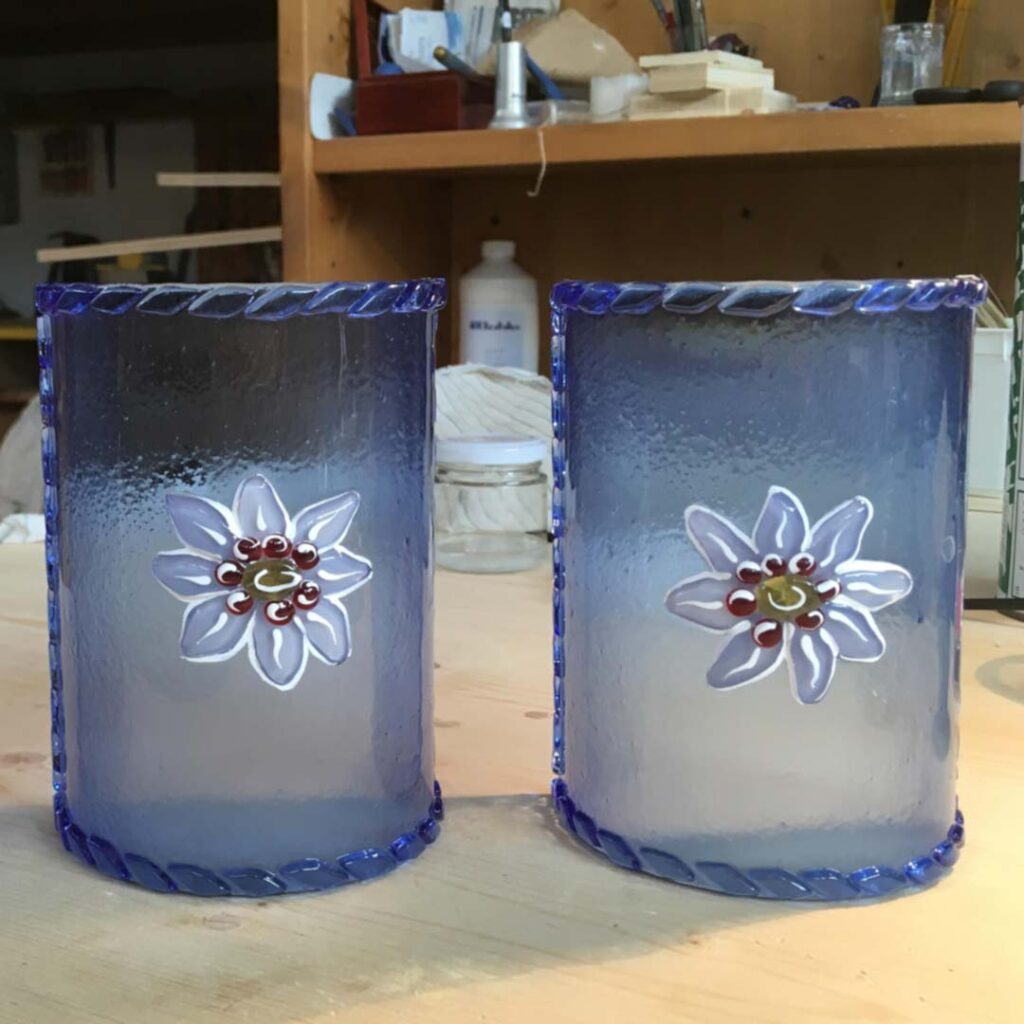
Chandeliers and wall lamps
-
Countertops and washbasins
Restoration
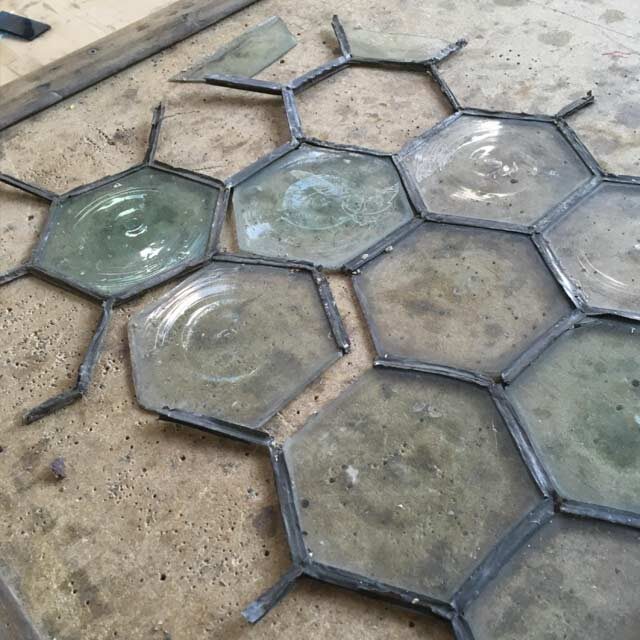
Conservation work, with restoration and cleaning of stained glass in buildings and churches
Glassware & Accessories
-
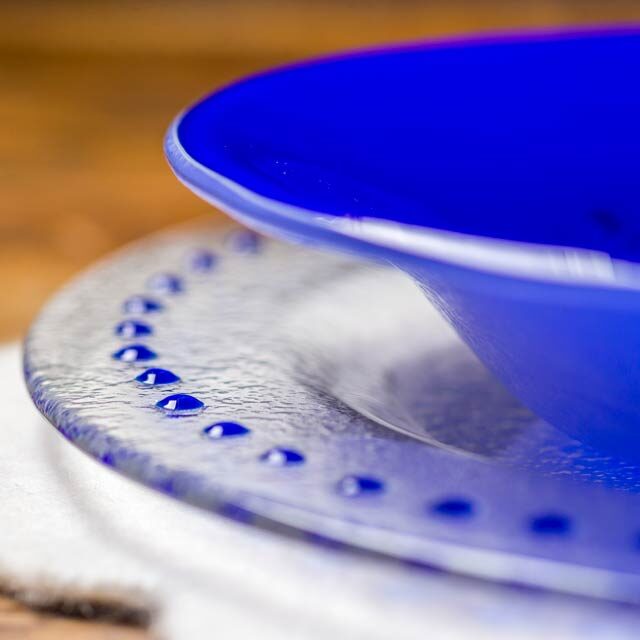
Plates and trays
-
Jewelry and gift ideas
-
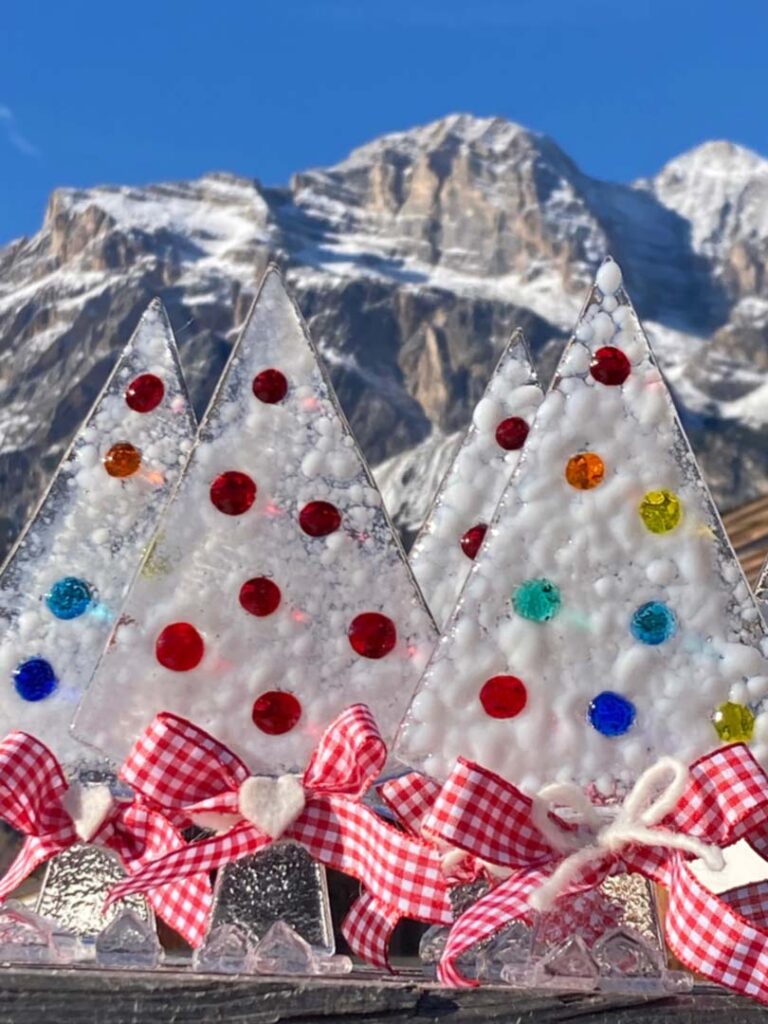
Christmas decorations
-
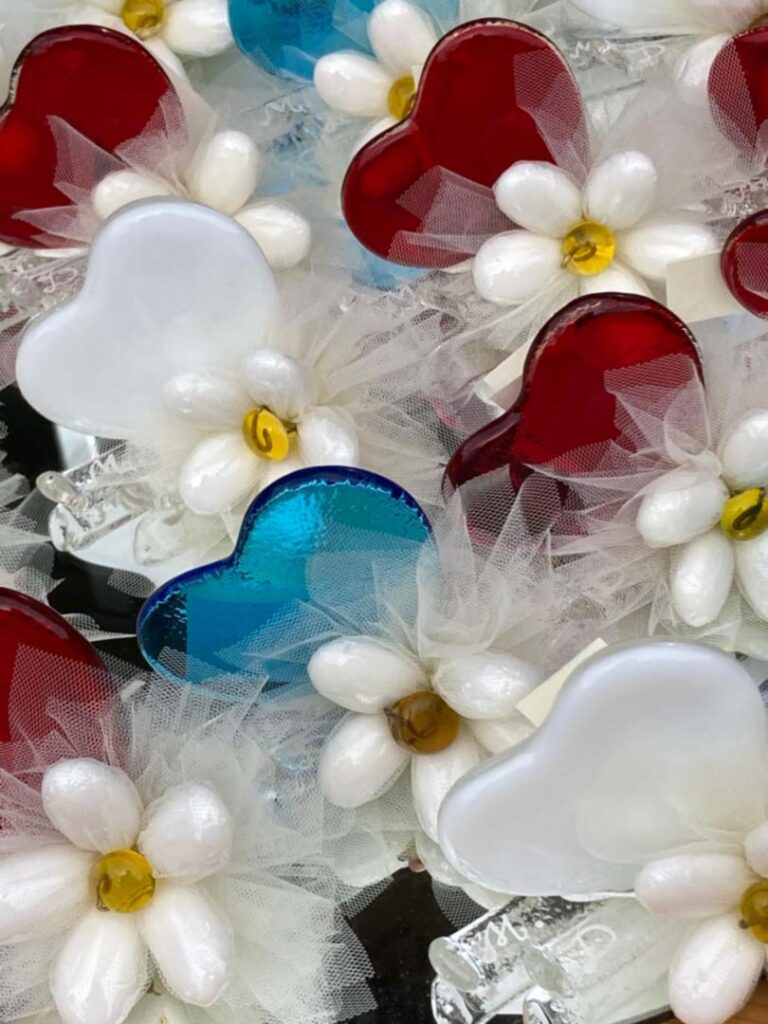
Favors (wedding or event keepsakes)
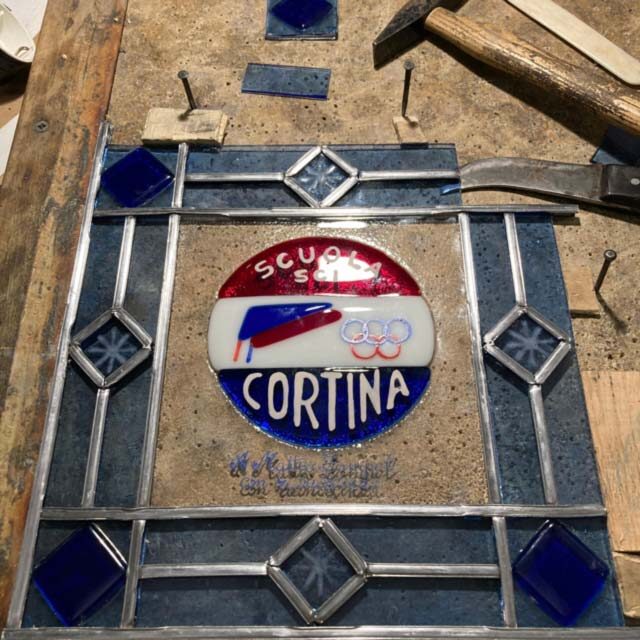
Trophies
-
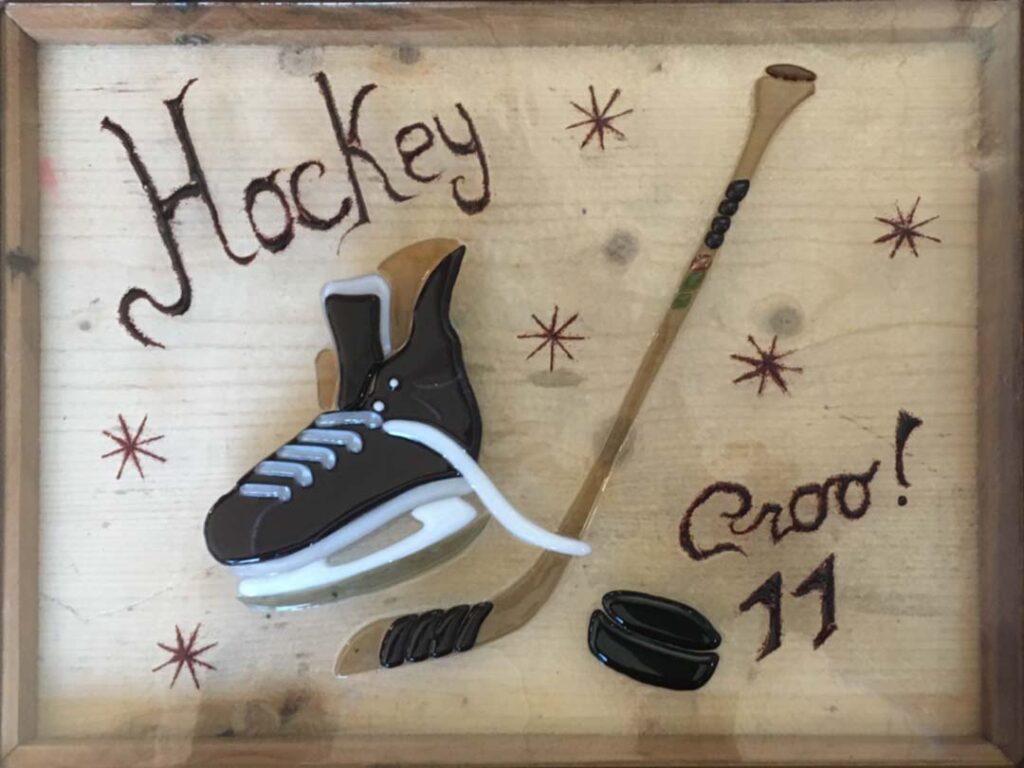
Trophies for sports awards and events
-
Personalized plaques for occasions and anniversaries
Gallery

“Questo sito utilizza solo cookie tecnici necessari al suo funzionamento.
Non vengono utilizzati cookie di profilazione, analitici o di terze parti.”